


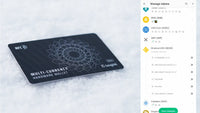
Tangem Wallet Review
Best for: Beginners + seedless
Score Breakdown
Quick Specs
Tangem Wallet Videos
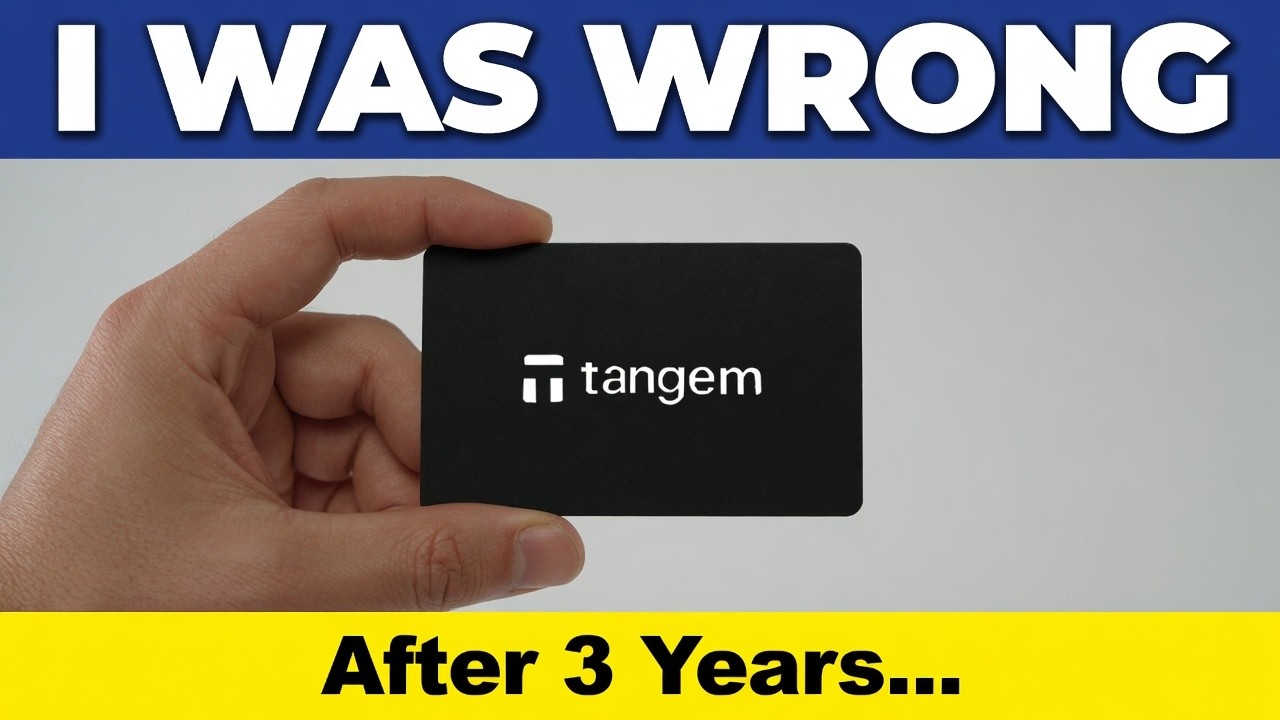
I Was Wrong About Tangem Wallet
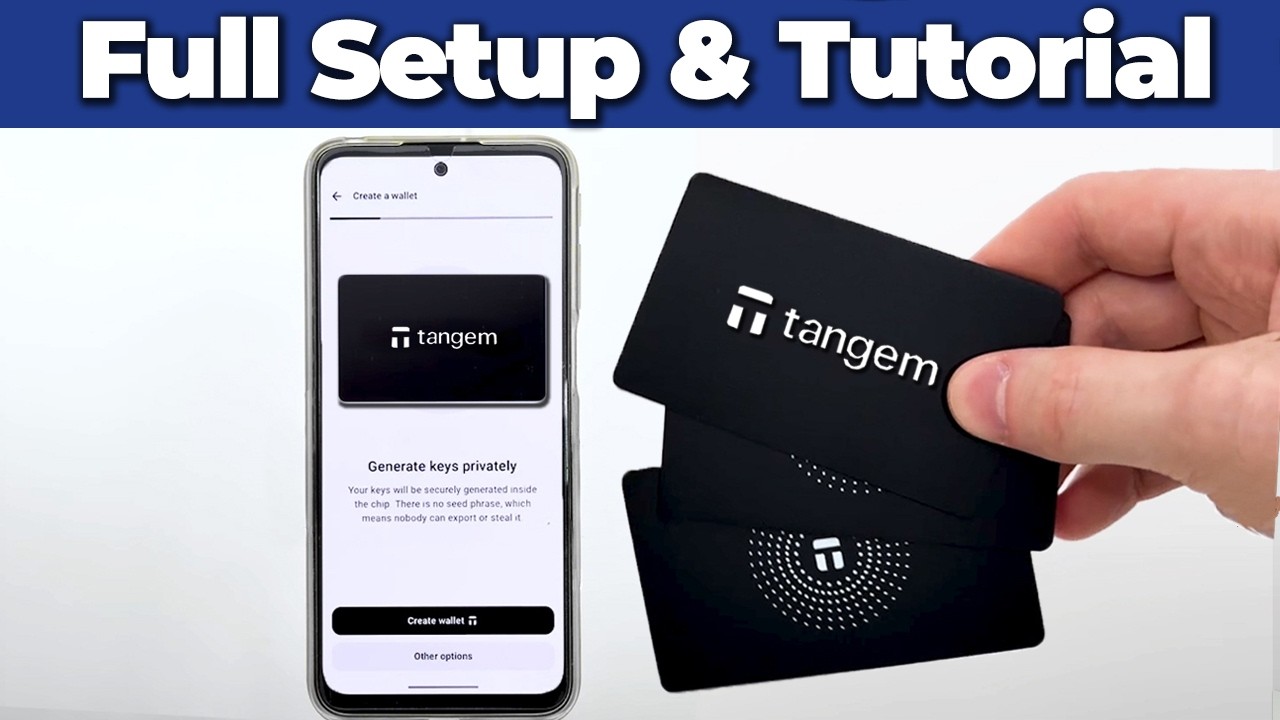
Tangem Wallet Complete Tutorial 2026 — Setup, Seedless Backup, Send & Receive
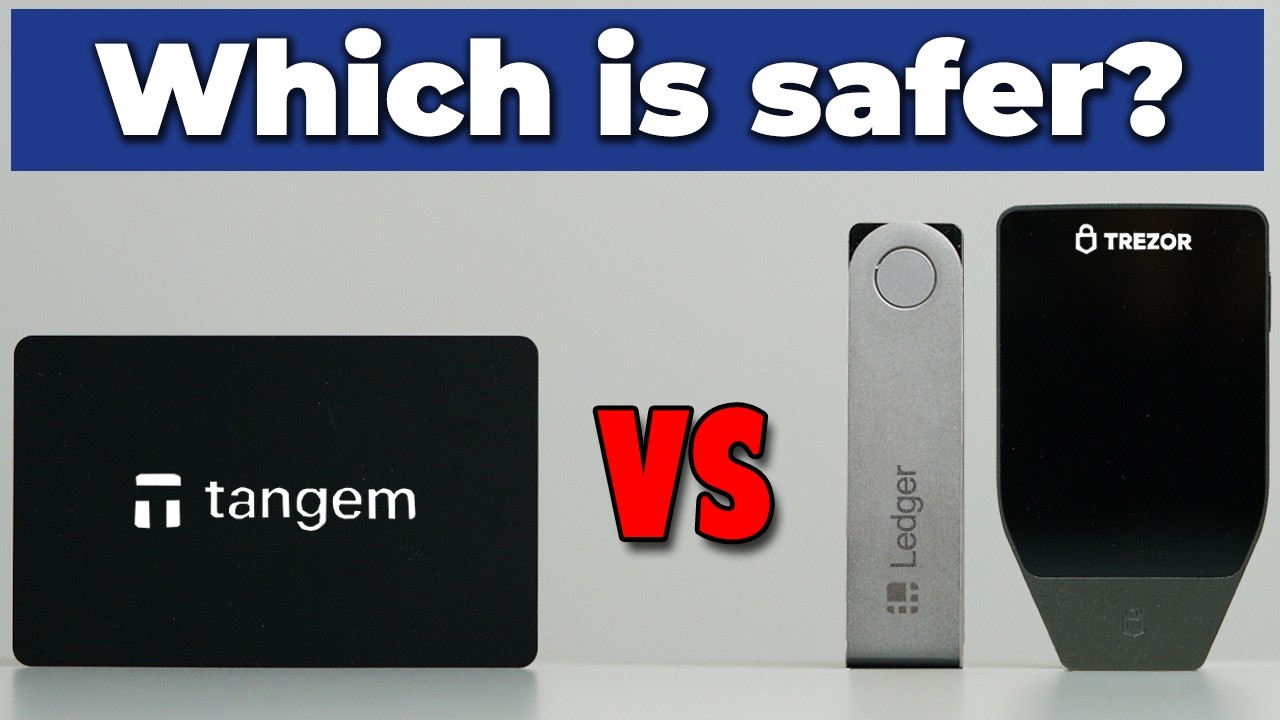
Tangem vs Ledger vs Trezor: Which Wallet Is Actually Safer?
Pros & Cons
Pros
- 1-minute setup with no seed phrase — create a PIN, tap the card, done
- No single piece of paper to lose or steal — the key never leaves the secure element
- 16,000+ coins and tokens supported through the Tangem app
- EAL6+ secure element chip on every card with over 25-year rated lifespan
- 3-card backup included — losing one card does not lock you out
- Card form factor survives drops, water, and magnetic fields better than any USB device
Cons
- Closed source secure element firmware — you cannot verify what runs on the chip
- No screen on the card itself — transaction details appear only on your phone
- Requires NFC-compatible phone for every operation, no desktop support
- The default 3-card setup still has a single shared key — not true Shamir splitting
Tangem is the wallet I recommend most often to people new to crypto and to anyone who wants safety that is hard to mess up. After 3 years of using it, I've come to see it as fundamentally different from every other hardware wallet on the market. Most cold wallets ask you to manage complexity well. Tangem removes the complexity entirely.
How it works
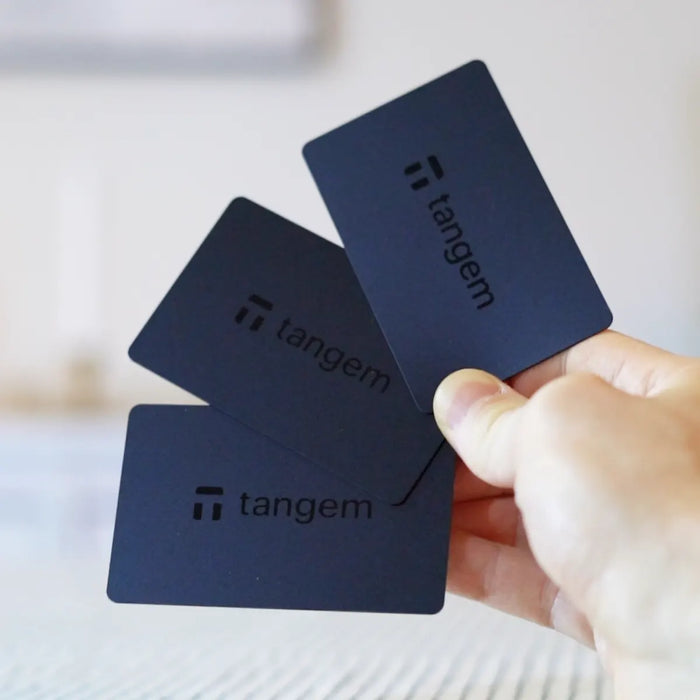
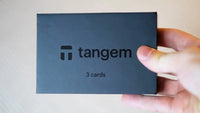
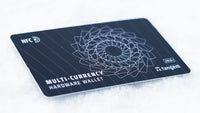
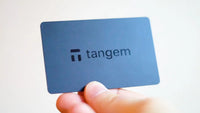
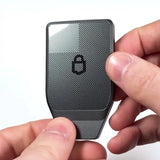
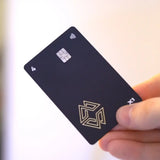
The hardware itself is a credit-card sized plastic card with an EAL6+ certified secure element chip embedded inside. No screen, no battery, no buttons, no cable. You get either 2 or 3 identical cards in the set. To use the wallet, you download the Tangem app on your phone, tap one of your cards to the back of the phone, type your PIN code, and that's it. Setup takes about 1 minute. Daily use is a tap. If you want to see the full process before buying, I made a complete Tangem setup tutorial covering seedless backup, how to send, and how to receive. It walks through every step from the unboxing.
How the backup works
By default, Tangem does not give you a seed phrase. The private key is generated and encrypted inside the secure element chip on the card itself, and the multiple cards in your set are identical backups of each other. So if you lose one card, the other cards still work as full backups. There's no paper to write down, nothing to forget, nothing for a thief to find on a piece of paper. The cards are also rated for around 25 years of use and they're waterproof and dustproof, so they survive household disasters that would destroy paper seed phrases.
Why seedless matters
This seedless approach matters more than the marketing suggests. When you look at how people actually lose crypto, reports from companies like Chainalysis show 80 to 90 percent of user losses come from mistakes tied to seed phrases. Phishing emails, fake websites, fake SMS, getting tricked into typing the words into a fake recovery form. Over 150,000 wallets were drained this way in 2025 alone. Tangem in seedless mode cuts out almost all of that risk because the user doesn't even have the seed phrase words to give away. I also made a video covering the things Tangem's own marketing doesn't tell you: Watch Before You Buy the Tangem Wallet. It's worth watching before you set anything up.
You can still choose the seed phrase route during setup if you want compatibility with other BIP-39 wallets or prefer the familiar approach. But the default seedless mode is what makes Tangem genuinely different.
No firmware updates: risk or feature?
The cards cannot receive firmware updates. This is a real trade-off. Tangem cannot patch bugs or add new features at the card level, but it also means there's no firmware attack surface ever. The Ledger Connect Kit attack in 2023 where hackers pushed malicious code through a software update and drained at least $600,000 from users could not happen on Tangem because there's no update path to compromise.
What's new in 2026
The Tangem app does get updated, and over the past year they've added features that make a real difference. The most useful new feature is Smart Gas, added in v5.39 in June 2026. It lets you pay network transaction fees in stablecoins like USDT or USDC instead of needing the native token of the network. So if you withdraw USDT from an exchange to your Tangem wallet on Ethereum and you don't have any ETH for gas fees, you can pay the gas in USDT directly. One transaction, no extra steps, no need to buy a small amount of ETH first. It works on Ethereum, BNB Smart Chain, Polygon, Arbitrum, and Base. This removes a real friction point that beginners constantly run into.
Another v5.39 update was Dynamic Addresses, which generates a new receiving address for each incoming Bitcoin transaction by default. This is the privacy-friendly approach that Trezor has had for years, and Tangem just caught up. It matters because reusing the same address exposes your public key permanently to the blockchain, which creates both privacy and future quantum-related risks.
The risks
The first risk is the obvious one: if you lose all your cards and forget your PIN, you're locked out. This is the same risk every hardware wallet has, but worth mentioning since the multi-card setup specifically requires you to keep multiple cards safe in different locations.
The second risk is blind signing. Because there's no screen on the cards, when you make a transaction the details are only shown on your phone screen. You have to trust that what the phone shows is accurate. Theoretically, if your phone is hacked or has malware, an attacker could overlay a fake screen showing one address while the actual transaction signs to a different address. This kind of attack has happened to hot wallets like MetaMask. It has never happened to a Tangem user that I know of, and Tangem has dedicated security features against it, but the theoretical risk is real.
The third risk is physical chip attacks. In July 2026, Ledger's security research team published a report showing they could bypass the PIN check on a Tangem card entirely using laser fault injection. The attack fires a single nanosecond laser pulse at one precise spot on the chip, flipping a bit in the firmware that controls PIN verification. With that check bypassed, you can set a new PIN without knowing the old one and move the funds. The lab setup costs around $250,000, the card is physically destroyed in the process, and it cannot be done remotely. Ledger themselves described it as not something an individual attacker can pull off. I broke down what it actually means in the short below.
Prefer the 60-second version? I also do short-form reviews for a quick take before you read the full thing:
An earlier 2025 report from Ledger also showed they could brute-force a 4-digit PIN with physical access and specialized equipment in about an hour. An 8-digit PIN takes around 460 days. Both attacks require physical access and resources well beyond what an ordinary thief has.
Two philosophies of safety
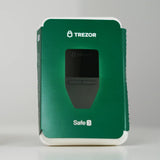
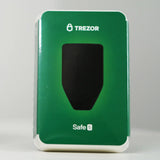
When you put all of this together, Tangem represents a different philosophy of safety from every other hardware wallet on the market. The Trezor Safe 7 is built around maximum hardware defense with three secure chips and verifiable open-source firmware. Tangem is built around simplicity and removing the things that cause most real-world crypto losses. Both are safe. They just protect against different kinds of risks. I compared all three brands directly in my video Tangem vs Ledger vs Trezor: Which Wallet Is Actually Safer?. It's the most direct head-to-head comparison I've done and a good watch if you're still deciding between brands.
For me personally, after 3 years with Tangem, it's the wallet I recommend most often. If you're new to crypto, if you want something dead simple, if you live somewhere with fire or flood risks, if you want the cheapest solid option, or if you just want a wallet that's hard to mess up, Tangem is the right choice. I still use a Trezor for some of my long-term holdings because the open-source security model and the on-device screen protect against different things, but for most people most of the time, Tangem is the better answer.
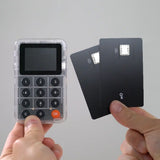
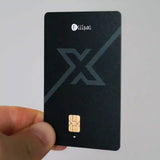
Comparing Tangem against the Ellipal X Card? I put both side by side: Tangem vs Ellipal X Card: Card Wallet Comparison.
Verdict
Tangem Wallet Discount Code
Anyone can get up to 30% off using the Tangem wallet discount codes NORDIC and NYEXTRA26 at checkout. This link applies both codes automatically.
Tangem is the best hardware wallet for users who want safety that is hard to mess up. The seedless multi-card backup removes the most common cause of real-world crypto losses (lost or stolen seed phrases), the no-firmware-update design eliminates an entire category of attack, the cards survive floods and fires that would destroy paper backups, and the 1-minute setup makes it the most beginner-friendly option on the market. At $55 to $70, it's also the cheapest proven hardware wallet you can buy. The trade-offs (blind signing risk, mobile-only, no firmware updates ever) are real but small for most users. If you're buying your first hardware wallet or you want to shield yourself from your own mistakes, this is the recommendation.
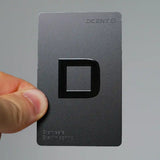
Comparing Tangem against the DCENT S? I put both card wallets side by side: DCENT S vs Tangem: Card Wallet Comparison.
Ready to buy the Tangem wallet?
Starting at $54.90. Check current price before you buy.
Buy Tangem wallet →Affiliate link · No extra cost to you




This page contains affiliate links. If you buy through them, I may earn a small commission at no extra cost to you. I only review products I have personally tested.