
Ryder One Review
Best for: Seedless + unique backup
Score Breakdown
Quick Specs
Watch: Ryder One Review
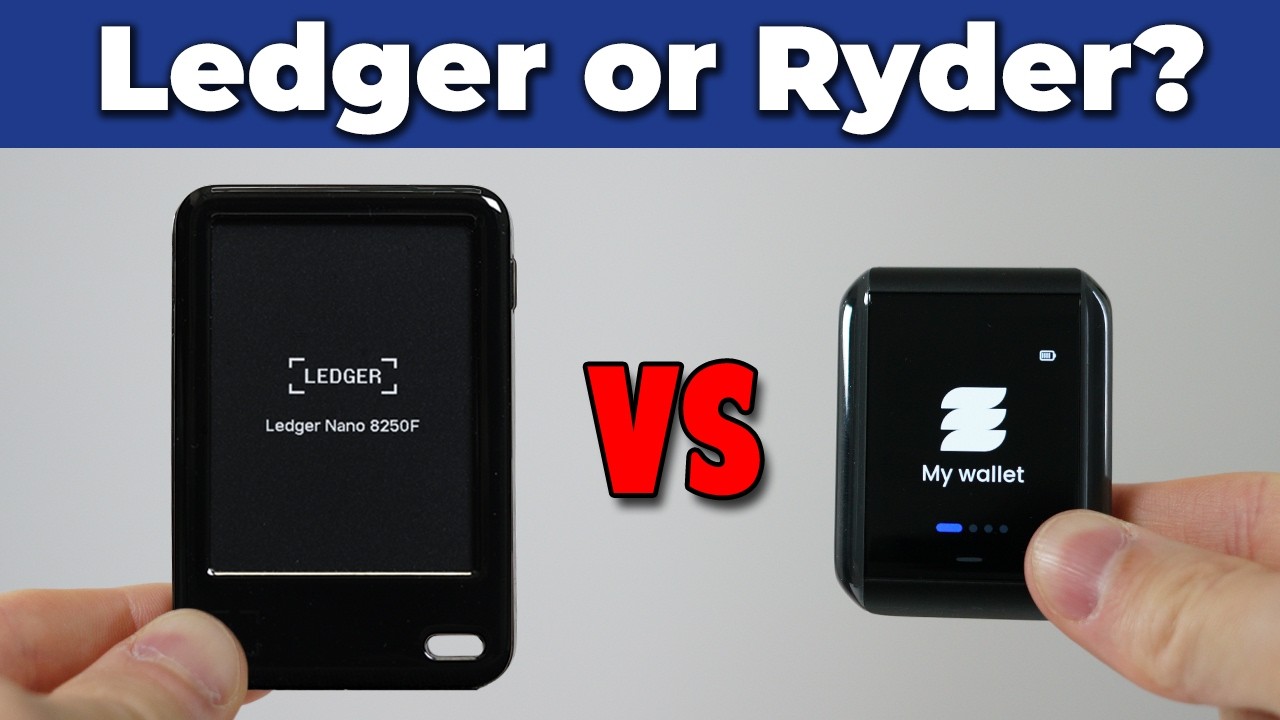
Hands-on video review of the Ryder One
Pros & Cons
Pros
- Seedless backup via TapSafe (weighted Shamir's Secret Sharing) — no 24-word paper seed to lose or miswrite
- EAL6+ certified Infineon secure element chip — same certification as biometric passports
- Audited by Halborn, a well-known blockchain security firm
- IP67 rated — dust-tight and survives water immersion to 1 meter
- No ports and no seams (ultrasonic bonding) — genuinely rugged
- Wireless Qi charging, including from a fully dead battery
- Setup takes 3 to 6 minutes — significantly faster than seed phrase wallets
- $135 bundle includes device, Recovery Tag, wireless charger, and pouch
- 60-day money back guarantee plus 1-year warranty
Cons
- Default setup (1 tag + phone) has the same single-point-of-failure risk as a seed phrase — you should buy the extra 2-pack of tags or add Recovery Contacts
- Started shipping late 2025, no multi-year real-world track record yet
- Touchscreen (1.6-inch) can be unresponsive, sometimes requires multiple taps
- NFC tap can be finicky — the small device surface means finding the right spot on your phone takes practice
- Mobile-only — no desktop or computer support at all
- Coin support is limited: Bitcoin, Ethereum, Solana, Stacks, and major tokens on those networks
- DeFi support is limited compared to Ledger's broad dApp integration
- Daily transactions take longer than on Ledger or Trezor due to the tap-swipe-approve-tap-again workflow
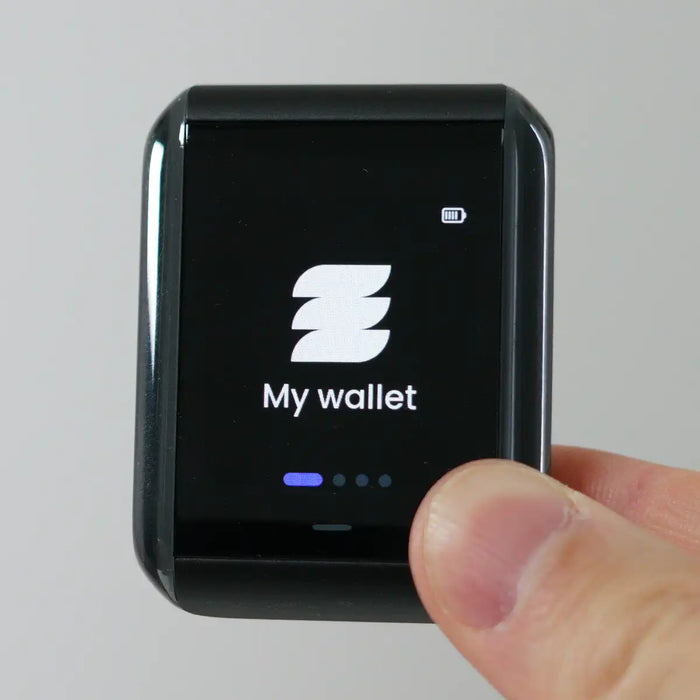
The Ryder One is the newest entrant in the hardware wallet space that I have used personally. After a week with it, my honest take is that it represents a genuinely interesting direction for hardware wallets, even with the limitations that come from being a brand new product.
The hardware
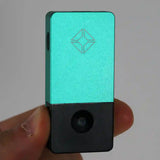
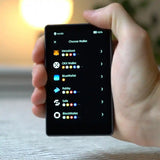
The Ryder One feels like something built for 2026 rather than 2018. It's a compact pocket-sized device with a 1.6-inch color touchscreen, sealed with ultrasonic bonding so there are no ports and no seams. It's IP67 rated, which means it survives dust and water immersion to 1 meter. It charges wirelessly via Qi and works even when the battery is completely dead. None of the older hardware wallets feel this modern in their build approach.
How TapSafe works
The most important thing to understand about the Ryder One is the backup system, which they call TapSafe. Instead of using a single seed phrase, TapSafe splits your backup into multiple weighted pieces using Shamir's Secret Sharing. The Recovery Tag that comes in the box holds 50 percent of your backup. Your phone holds another 50 percent, which is backed up encrypted to your iCloud or Google Drive automatically. And if you set up Recovery Contacts (trusted family or friends), each of their phones holds 25 percent of your backup via the Ryder app. To recover your wallet, you need pieces that add up to 100 percent. I compared this system in detail against Ledger's approach in my Ryder One vs Ledger post on Reddit, which covers the backup tradeoffs side-by-side.
The problem with the default setup
Here's the important catch with the default setup that Ryder doesn't really highlight clearly. The default package comes in the box with just two pieces: one Tag and your phone. Each one is 50 percent, and you need both to recover. So if you lose either one, you're locked out of your funds. That means the default setup has the same loss problem as a traditional seed phrase. One thing goes wrong, you're stuck. Your phone backup does sync to your cloud, so losing the physical phone itself isn't the end of the world if you can get into your cloud account. But losing the Recovery Tag with no other backups still locks you out.
How to get real protection
To actually be safer than a traditional seed phrase against total loss, you need to add more pieces. There are two ways to do this. The first, and my preferred way, is to buy the additional 2-pack of extra Recovery Tags, which costs about $29. Combined with the tag that comes in the box and your phone backup, you end up with 4 pieces total: 3 tags plus your phone. So even if you lose 2 pieces, you still have another two and you can fully recover. The second way is to set up Recovery Contacts, where you ask trusted family or friends to install the Ryder app on their phone, and you pair them in person through an NFC tap. Each contact then holds 25 percent.
Where TapSafe does win over a seed phrase, even at the default setup, is on the theft side. If someone breaks into your house and finds just the Recovery Tag, they can't do anything with it on its own. The tag alone is only 50 percent. They'd also need your phone or your cloud backup to get into the wallet. With a seed phrase, anyone who finds your paper drains everything.
You can also still reveal a regular seed phrase on Ryder if you prefer that approach, since TapSafe is built on the BIP-39 standard underneath. That also means you can move your Ryder wallet to another BIP-39 compatible wallet if you ever want to. Ryder is also gradually open-sourcing the TapSafe code and the rest of their software throughout 2026, which means independent security researchers can audit how the system actually works.
Daily use experience
You might assume Ryder is faster for everyday transactions because the setup is faster, but in my experience after a week, transactions actually take longer on the Ryder than on the Ledger or Trezor. On the Ryder, every transaction is a sequence of steps: tap your phone to the device, then swipe on the Ryder's small touchscreen, approve there, then go back to the phone for a few more steps, then tap the device again. The touchscreen doesn't always register touches perfectly, and the NFC tap doesn't always work on the first try either, so I would often have to redo steps.
I've been using other NFC products on the same phone with no issues, so I don't think the NFC technology itself is the problem. It might be that the Ryder One has a much smaller surface area than something like a Tangem card, so finding the right spot on my phone to tap is more precise. I got better at it over the week, but it can be tricky at first. The Ryder One is also mobile-only. There's no cable connection and no PC support at all.
Coin support and DeFi
Ecosystem support is the area where Ryder is genuinely limited compared to Ledger or Trezor. Ryder supports Bitcoin, Ethereum, Solana, Stacks, and major tokens on those networks. The supported list isn't huge right now, so you really need to check first whether Ryder supports the specific coins you want to hold. For most altcoins, Ryder mainly supports the Ethereum network, which is the most expensive one to use for transactions. Ryder is actively adding more support over time, but right now this is a real limitation.
Pricing
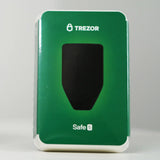
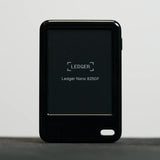
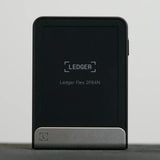
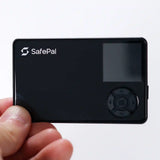
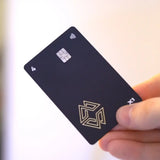
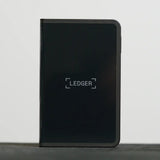
The price story is genuinely attractive. The Ryder One bundle at $135 includes the device, one Recovery Tag, a wireless charger, and a pouch. With the recommended 2-pack of extra Recovery Tags added, the real total is around $165. Ledger's newer touchscreen wallets range from around $180 for the Nano Gen 5 up to $400 for the Stax. Trezor Safe 7 is $249. So even with the extra tags, Ryder is meaningfully cheaper than any of the premium alternatives. And with the 20% discount code nordic, the price drops even further. You can see how it stacks up against everything else in my full hardware wallet ranking for 2026.
Early adopter considerations
Ryder is genuinely new. The hardware has been audited by Halborn, the secure element is Infineon EAL6+ certified, the technical foundations are solid. But solid foundations are different from years of real-world testing. Ledger has been around for over a decade. Trezor has been around since 2014. Ryder started shipping in late 2025. The 60-day money back guarantee plus 1-year warranty helps reduce the risk of being an early adopter.
Verdict
Ryder One Discount Code
Buy through ryder.id/nordic and use the Ryder One discount code nordic at checkout for 20% off.
The Ryder One is a genuinely modern hardware wallet that represents an interesting alternative to the established players. The seedless TapSafe backup, IP67 durability, wireless charging, sealed portless design, and Halborn audit make it a strong technical option, and the $135 price (or $165 with the recommended extra tags) is meaningfully cheaper than premium Ledger or Trezor alternatives. The honest concerns are real though: the touchscreen and NFC can be finicky, the supported coin list is limited compared to Ledger and Trezor, daily transactions actually take longer than on competitors, and the default setup with just one Recovery Tag does not provide better loss protection than a seed phrase. Best for users who want a forward-looking wallet, don't need broad altcoin or DeFi support, and are willing to buy extra Recovery Tags or set up Recovery Contacts to make TapSafe actually deliver on its promise.
Ready to buy the Ryder One?
Starting at $135. Check current price before you buy.
Buy Ryder One →Affiliate link · No extra cost to you
This page contains affiliate links. If you buy through them, I may earn a small commission at no extra cost to you. I only review products I have personally tested.