
Trezor Safe 7 Review
Best for: Max security + open source
Score Breakdown
Quick Specs
Trezor Safe 7 Videos
Every Trezor Safe 7 Question Answered
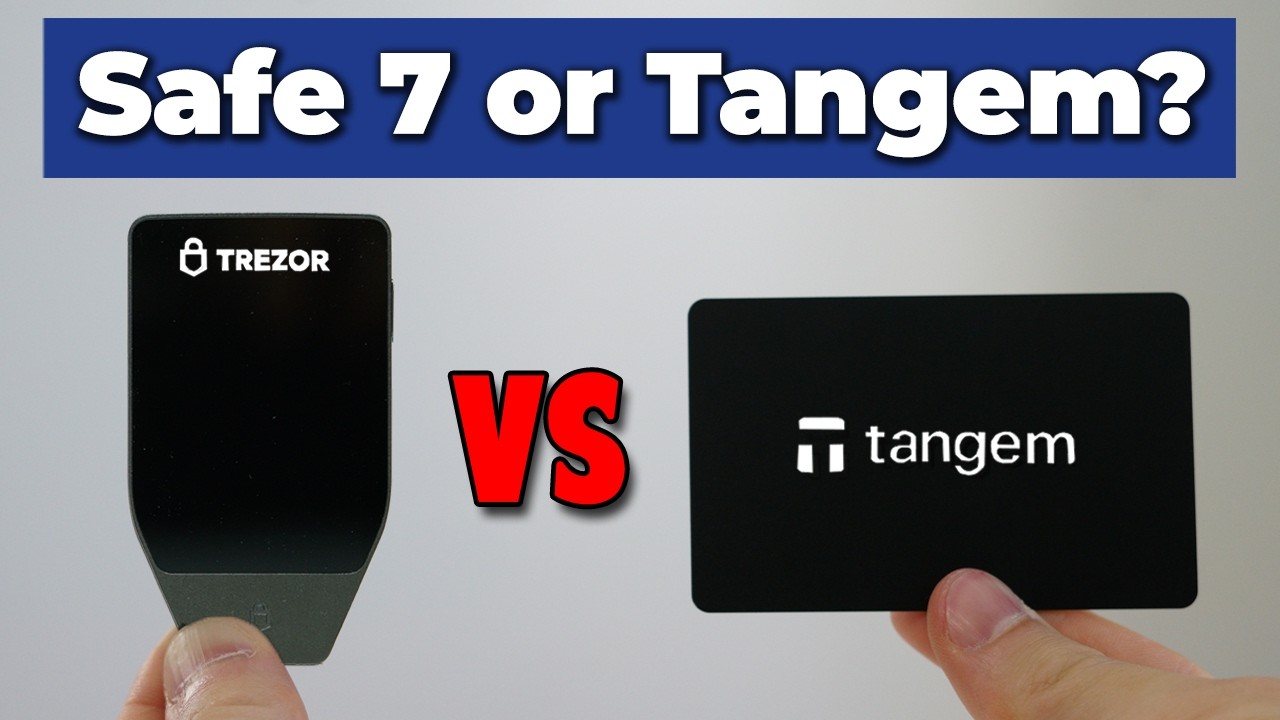
Tangem vs Trezor Safe 7 — Which Hardware Wallet Should You Buy?
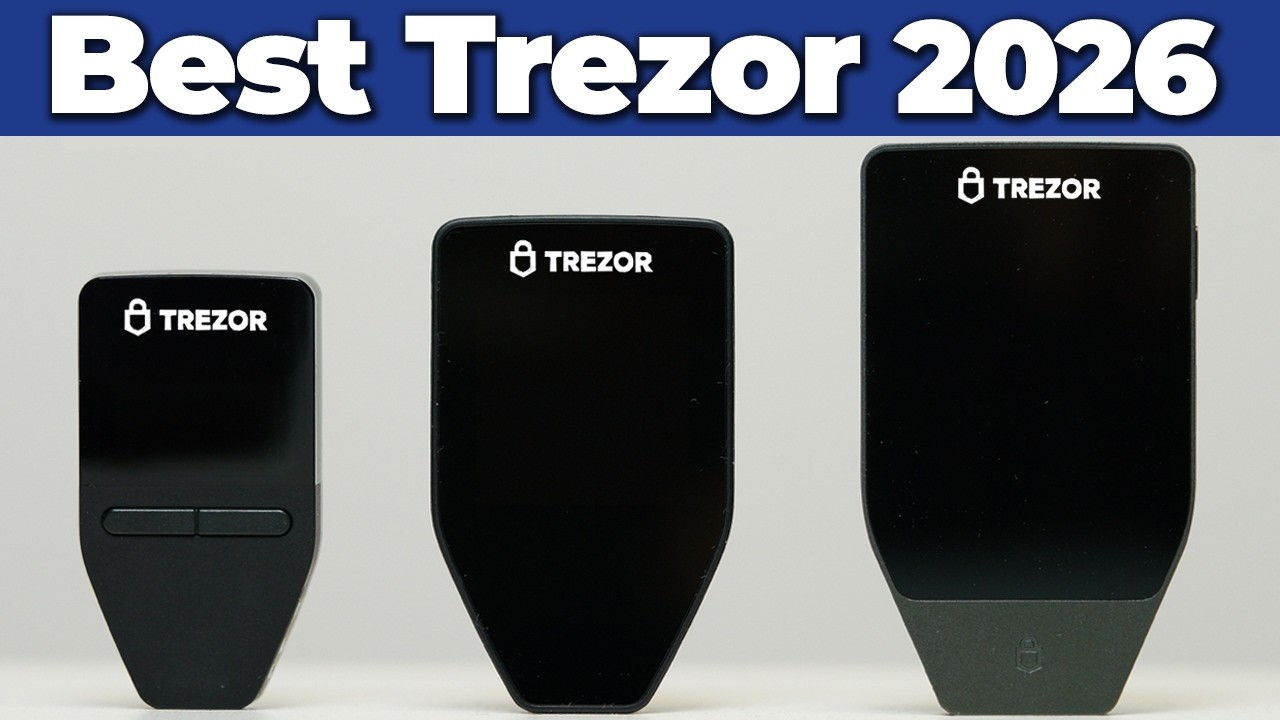
Best Trezor Wallet 2026: Safe 3 vs Safe 5 vs Safe 7
Pros & Cons
Pros
- Triple-chip security with the world's first open and auditable secure element (TROPIC01)
- Fully open source firmware, apps, and hardware designs
- Post-quantum cryptography built into firmware updates
- Full iPhone and Android support via Bluetooth
- IP67 dust and water resistant
- Wireless Qi2 charging
- Clean security track record since 2014 with no data breaches
Cons
- Most expensive Trezor at $249
- Seed phrase setup takes 15-20 minutes
- DeFi integration relies on third-party apps via WalletConnect
- Built-in battery means long-term lifespan depends on battery health
TROPIC01: the world's first auditable secure element
What makes the Safe 7 different comes down to two main things. First, the aspect with hardware wallets that makes them safe is their secure element chip. Most hardware wallets ask you to trust the manufacturer when it comes to their security chip. You simply assume the chip does what they say it does. The Safe 7 changes that with its second chip called TROPIC01.
TROPIC01 is the first fully open and auditable secure element chip in any hardware wallet in the world. Anyone can actually verify how it works rather than just taking the manufacturer's word for it. For people who care deeply about verifiable security rather than assumed security, this is a genuinely meaningful difference and something no other wallet currently offers.
Three-chip security architecture
On top of that, the Safe 7 has three independent secure chips from three different manufacturers. TROPIC01, an Infineon OPTIGA Trust M (EAL6+ certified, NDA-free), and an STM32U5 main microcontroller. This three-layer design is what makes the Safe 7 the most technically advanced wallet on the market right now. Even if one chip gets compromised, the other two layers still protect your funds.
A vulnerability that increased trust
That's exactly what happened in June 2026 when Ledger's own security research team found a vulnerability in the TROPIC01 chip using a laser fault injection attack in a lab. Trezor publicly disclosed it openly, which is what an open-source company should do. The attack required physical possession of the device, taking it apart in a lab, and specialized expensive laboratory equipment. This was a nation-state level attack scenario, not something a regular thief or hacker can do. But the important part was that even if someone did all of that, your funds would still be safe because the Safe 7 has three independent layers of security, and the vulnerability only affected one of them.
I made a full video covering this story: Trezor Just Got Hacked - And It Made Me Trust Them More. It includes my 2.5-year personal review of using Trezor alongside the full explanation of what the vulnerability was, what it couldn't do, and why the way it was handled is exactly what you want from a wallet company. A company that openly discloses vulnerabilities found by competitors, in collaboration with those competitors, is operating at a level of transparency that nobody else in this industry is matching.
Post-quantum security
The Safe 7 is also quantum-ready. Quantum computers capable of breaking current encryption don't exist yet, but when they do, Trezor can push a firmware update to the Safe 7 that makes it quantum resistant without you needing to buy a new hardware wallet. Whether you think quantum computing is a threat right now or an upcoming risk, having that option already built in is genuinely useful. I went into the details of what the quantum threat actually means for your existing holdings in Are Cold Wallets Safe From Quantum Computers?, which covers what you can do right now regardless of which wallet you use.
Bluetooth and mobile use
The practical upgrades over the Safe 3 and Safe 5 are also significant. The Safe 7 has Bluetooth which means it works wirelessly on both Android and iPhone. The Safe 3 does not work well on iPhone at all and requires a cable connection on Android. If you primarily use your phone to manage crypto rather than a desktop computer, the Safe 7 is a noticeably better experience.
The Bluetooth connection is smoother than the cable connection on the other Trezor models. Less unplugging and replugging, just an instant connection when you want to use it. Some people will ask whether Bluetooth is a security risk for these devices, and it's a fair question. But Trezor have physically separated the Bluetooth module from the secure element chips inside the Safe 7. There's no way to access the chip that holds your private key through Bluetooth. Trezor also uses their own encrypted protocol on top of standard Bluetooth called Trezor Host Protocol, which encrypts every message between the wallet and your phone. And if you're still not comfortable with wireless, you can turn Bluetooth off in the settings and use the Safe 7 as a cable-only device.
Build quality
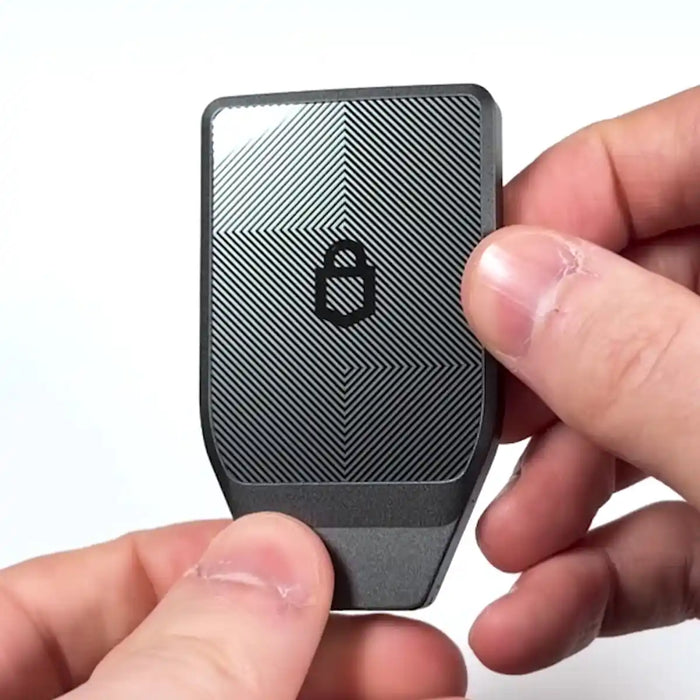
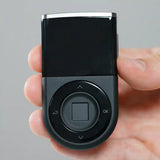
The Safe 7 is IP67 rated for dust and water resistance, which none of the other Trezor models have. It has wireless charging via Qi2, which means the device still works even when the USB-C port eventually wears out from years of use. The 2.5-inch screen runs at 700 nit brightness, which makes it readable outdoors. And the device is housed in a single solid piece of anodized aluminum.
For iPhone users
For iPhone users specifically, the Safe 7 is essentially the only real Trezor option since the Safe 3 and Safe 5 are not ideal for iOS users. The Bluetooth feature makes it fully compatible with iPhone and you get the full experience where you can do everything directly from your phone: sending, swapping, and managing your holdings. If you're deciding between the Safe 5 and the Safe 7, the iPhone question alone often settles it: Safe 5 if you're on Android or desktop-first, Safe 7 if your phone is an iPhone.
Verdict
The Trezor Safe 7 is currently the most advanced and most verifiable hardware wallet on the market. The three-chip architecture, the world's first open and auditable secure element (TROPIC01), post-quantum-secured firmware updates, full iPhone support via Bluetooth, IP67 durability, and wireless charging make it the flagship that justifies its $249 price point. If you store a meaningful amount of crypto, use an iPhone, value open-source verifiability, or want to be ready for the post-quantum future, the Safe 7 is the best Trezor option and probably the best technical hardware security available today. The vulnerability disclosure with Ledger's security team should increase your trust in the product, not decrease it.
Prefer the 60-second version? I also do short-form reviews for a quick take before you read the full thing:
Ready to buy the Trezor Safe 7?
Starting at $249. Check current price before you buy.
Buy Trezor Safe 7 →Affiliate link · No extra cost to you
This page contains affiliate links. If you buy through them, I may earn a small commission at no extra cost to you. I only review products I have personally tested.