Trezor
Trezor is a brand owned by SatoshiLabs, a Czech company founded in 2013 by Pavol Rusnák and Marek Palatinus. Palatinus is also known in the Bitcoin community for creating Slush Pool, one of the first Bitcoin mining pools. SatoshiLabs is headquartered in Prague, Czech Republic.
History
The Trezor Model One, released in January 2014 at Bitcoin 2014 in Amsterdam, was the world's first commercially available hardware wallet. It established hardware wallets as a product category. From day one, Trezor's firmware, software, and hardware designs have been fully open source, anyone can audit exactly how the device works.
The Model T (2018) added a color touchscreen. The Safe series (2023 onwards) introduced dedicated secure element chips: the Safe 3 at the entry level, the Safe 5 with a 1.54-inch touchscreen, and the Safe 7 as the flagship with a three-chip security architecture, Bluetooth, IP67 water resistance, and post-quantum cryptography built into the firmware update process.
Matej Žák serves as CEO of SatoshiLabs. Pavol Rusnák remains active in the technical direction of the company.
Security track record
Trezor's track record is one of the strongest in the industry for a company operating since 2013. Their fully open-source approach means every line of firmware code is publicly auditable.
- 2020, Kraken Security Labs research: Kraken researchers demonstrated a physical attack that could extract seeds from Model One and Model T devices given physical access and specialized equipment. Trezor publicly acknowledged the findings. The Safe series subsequently introduced dedicated secure element chips to address this attack class.
- 2024, Third-party support database breach: A third-party ticketing service used by Trezor support was compromised, exposing contact information of users who had contacted support. No device security or funds were affected.
- 2026, TROPIC01 vulnerability: Ledger's Donjon research team, working transparently with Trezor, found a vulnerability in the open-source TROPIC01 chip in the Safe 7 using lab equipment requiring physical access. Trezor publicly disclosed the findings. No user funds were at risk because the Safe 7's three-layer architecture meant the other two independent chips remained secure throughout.
Trezor's approach to security incidents has consistently been transparent public disclosure. The collaboration with Ledger's Donjon team on the TROPIC01 vulnerability is unusual and commendable in the hardware wallet industry.
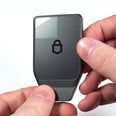
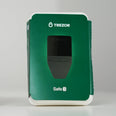
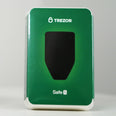
Trezor Wallets We Have Reviewed
3Every Trezor wallet we have independently tested and scored.
Average NordicCrypto score across 3 wallets: 88/100
Ready to compare?
Compare all Trezor wallets side by side →