
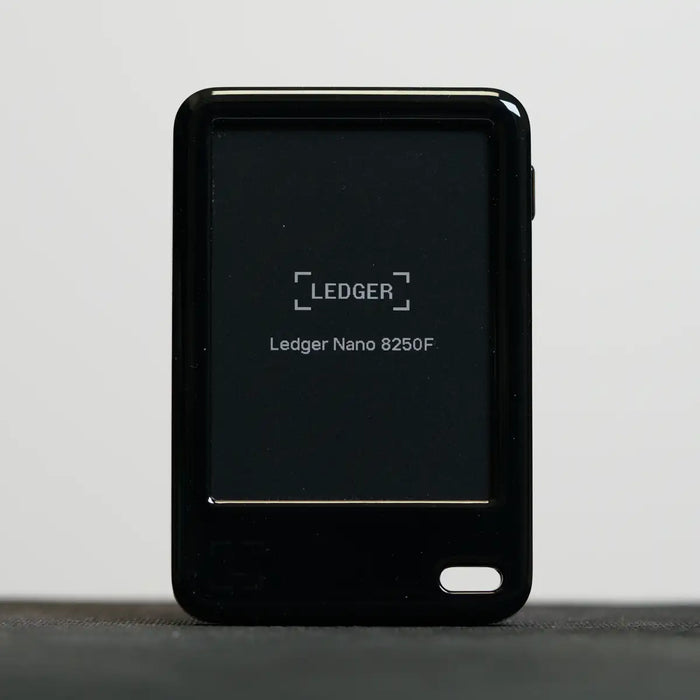
Ledger Nano Gen 5 Review
Best for: Ledger ecosystem + value
$179
Score Breakdown
Quick Specs
Ledger Nano Gen 5 Videos
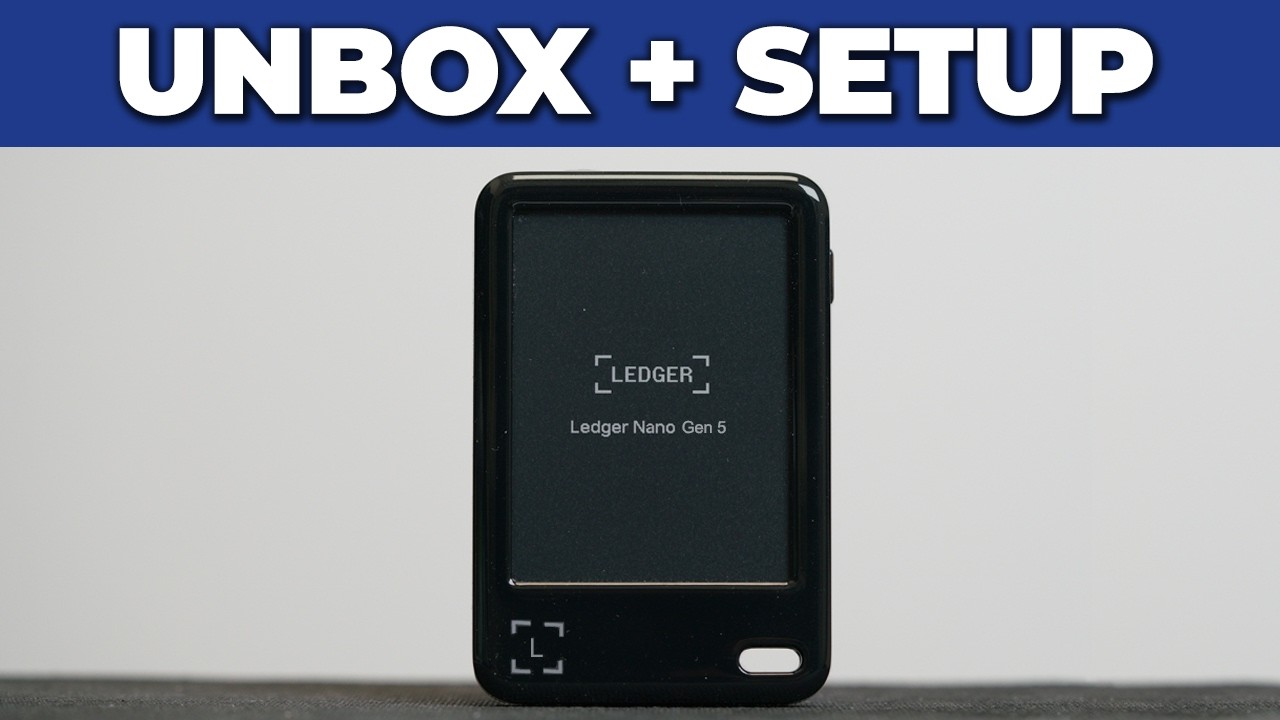
Ledger Nano Gen 5 Unboxing & Setup Tutorial 2026
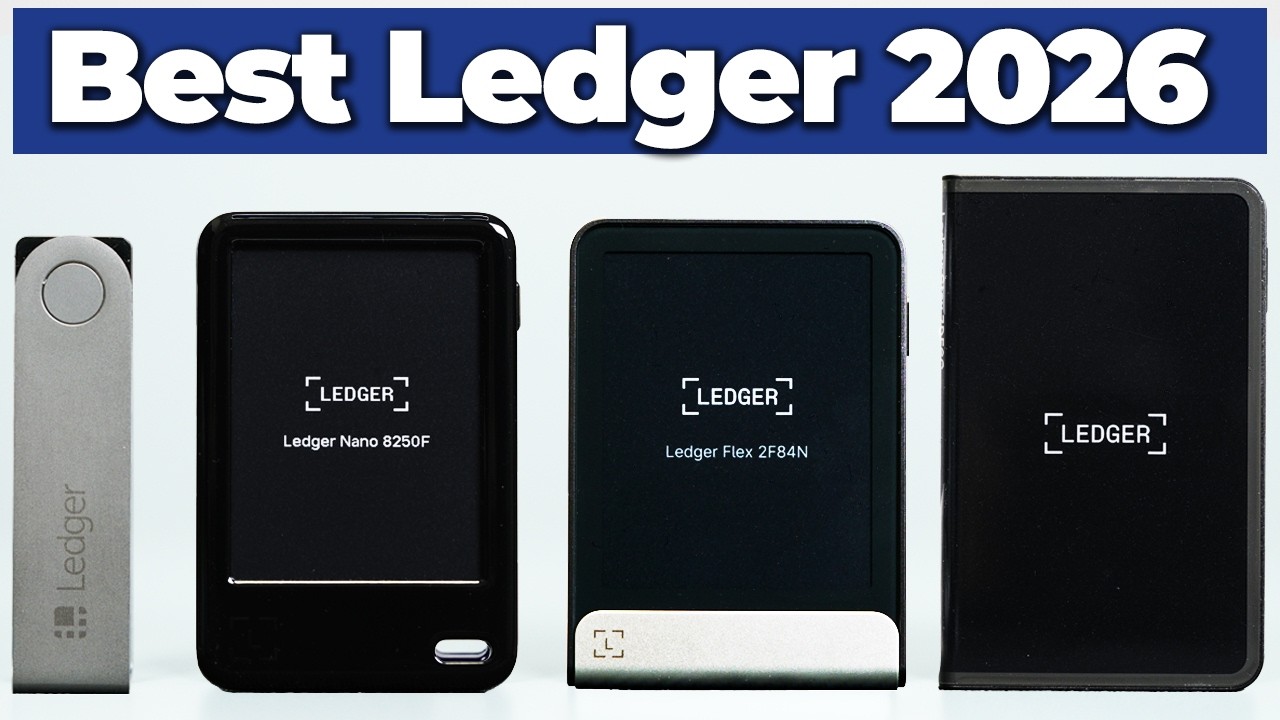
Best Ledger Wallet 2026: Nano X vs Gen 5 vs Flex vs Stax
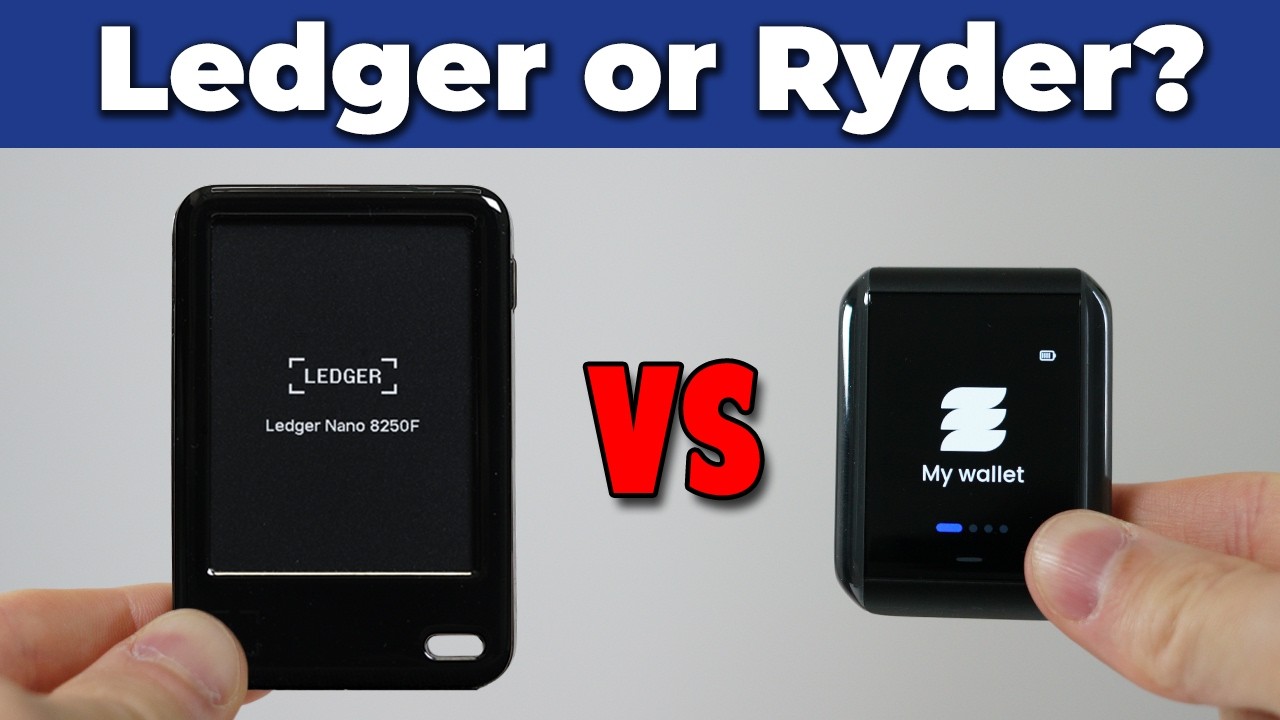
Ryder One vs Ledger: Which is the Better Hardware Wallet?
Pros & Cons
Pros
- Most affordable entry into Ledger's touchscreen lineup at $179
- Broadest crypto ecosystem of any hardware wallet — thousands of coins, hundreds of networks
- Deep DeFi integration with Aave, Uniswap, MetaMask, Rabby, and major dApps
- Upgraded EAL6+ secure element chip (better than the older Nano X's EAL5+)
- 2.8-inch touchscreen makes reviewing transactions much smoother than physical buttons
- Bluetooth, USB-C, and NFC connectivity — works on both mobile and desktop
- Works on Windows, Mac, Linux, iOS, and Android
Cons
- Closed source firmware — you have to trust Ledger rather than verify it yourself
- Recovery Key is not included in the box — costs around $40 extra if you want one
- Ledger's pattern of data breaches: 2020 home address leak, 2023 Connect Kit attack, 2023 Recover controversy, 2026 third-party breach
- Ledger Recover subscription confirmed the device can technically extract your seed phrase from the secure chip
- Recovery Key PIN-wipes itself after 3 wrong entries — a real risk years after setup
- E Ink screen is monochrome, not color
- Plastic build feels less premium than the Flex or Stax
- Setup takes 15 to 20 minutes including firmware update and app installs
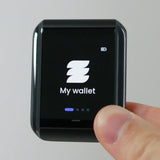
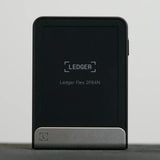
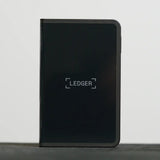
The Ledger Nano Gen 5 is Ledger's affordable entry into their newer touchscreen lineup. At $179, it sits below the Flex ($249) and the Stax ($399) while sharing the same software, same security chip, and same core experience as both. If you want to get into the newer Ledger ecosystem without overspending, the Nano Gen 5 is the natural choice.
Hardware improvements over the Nano X
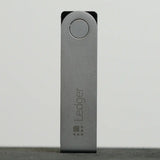
The 2.8-inch E Ink touchscreen replaces the Nano X's small screen and two physical buttons, which makes daily transactions noticeably smoother. Reviewing transaction details, entering PINs, and navigating menus all become easier when you can see and tap rather than scroll through with buttons. The secure element chip has also been upgraded from EAL5+ on the Nano X to EAL6+ on the Gen 5, which is the standard security certification used in biometric passports and bank cards. The security improvement is real, even if the jump from EAL5+ to EAL6+ is incremental. If you want to see the full setup process before buying, I put together a complete Ledger Nano Gen 5 unboxing and setup tutorial covering every step from opening the box to your first transaction.
Connectivity
The Nano Gen 5 supports USB-C cable for desktop, Bluetooth for mobile, and NFC for tap-based interactions. This flexibility means you can use it however you prefer, whether that's managing a portfolio on your laptop or quickly sending crypto from your phone. The Ledger Wallet app (which used to be called Ledger Live and was renamed in November 2025) gives you a fairly clean way to manage everything.
Ecosystem and DeFi support
Where Ledger really pulls ahead of every other hardware wallet brand is ecosystem support. Ledger supports thousands of coins, hundreds of blockchain networks, and integrates directly with most of the major DeFi platforms, NFT marketplaces, and staking services. If you hold a wide range of altcoins, use DeFi regularly, or need staking on multiple chains, Ledger has the broadest support of any hardware wallet. The Trezor Safe 7 catches up on DeFi through WalletConnect, but the native Ledger experience is still smoother and more polished.
Closed source firmware
The Nano Gen 5 is closed source. Trezor's entire codebase is publicly auditable, but Ledger's is not. You just have to trust them that the device does what they say. For some people this is not a problem, but if you care about being able to verify your security rather than just trust it, this is a meaningful difference.
Ledger's track record
The bigger issue is Ledger's history. Over the past 6 years they've had a series of incidents that have made me reconsider recommending them as a default. In 2020, Ledger had a data breach where 272,000 customer home addresses were leaked publicly. That data still exists on hacking forums today, which means the people who bought a Ledger years ago are on a public list of confirmed crypto holders. That exposes them to what people call wrench attacks, meaning someone physically showing up at your door because they know you own crypto. A hardware wallet doesn't protect you from that kind of threat.
In 2023, a former Ledger employee got phished and hackers pushed malicious code into the Ledger Connect Kit, which is the software that lets websites talk to Ledger devices. At least $600,000 was drained from users during that window. The hardware was fine, but the surrounding software was compromised.
Also in 2023, Ledger announced the Ledger Recover subscription service. The reason this was controversial is that the announcement confirmed something a lot of people had assumed was impossible: that the device can technically extract your seed phrase from the secure chip and send it out. Once you know the capability exists in every Ledger device, you have to trust that no firmware update will ever activate it without your knowledge. For some users, this fundamentally broke their trust in Ledger.
Then in 2026, another data breach happened through Global-E, a third-party order processor. Customer names, emails, phone numbers, and order details were exposed again. I made a video going through all of this called After 7 Years, Why I Won't Buy Another Ledger Wallet. It covers every incident in detail and explains why the pattern is what changed my recommendation, not any single event.
Recovery Key not included
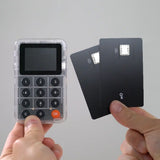
The Nano Gen 5 doesn't come with the Ledger Recovery Key in the box, which the Flex and Stax do. The Recovery Key is an NFC card that stores your seed phrase in a PIN-protected way, costing around $40 extra if you want one with the Gen 5. It's a step up from a piece of paper, but there's a catch. If you enter the PIN wrong 3 times, the card wipes itself permanently. Recovery is something you might not do for 5 or 10 years, and being put under that kind of pressure when you can't remember the PIN is a real risk.
Personally, after 7 years of using Ledger wallets, the Nano Gen 5 is technically a good device. The hardware works, the ecosystem is the best in the industry, and millions of people use Ledger wallets safely every day. But the company around the hardware has had too many incidents in too short a time, and the consequences of those data breaches are still out there. If you specifically want the broadest possible ecosystem and you use DeFi heavily, Ledger still has the best support out there, and the Nano Gen 5 is the most affordable way to get into that ecosystem with the newer touchscreen experience.
Verdict
The Ledger Nano Gen 5 is the most affordable way into Ledger's newer touchscreen lineup at $179, and it offers the best crypto ecosystem support of any hardware wallet. The EAL6+ chip upgrade, the touchscreen interface, and broad connectivity through USB-C, Bluetooth, and NFC make it a technically solid device. But the closed source firmware, the lack of a Recovery Key in the box, and Ledger's pattern of recurring data breaches over the past 6 years drag down the overall recommendation. Best for users who specifically need Ledger's deep DeFi integration and broad coin support, and who are comfortable trusting the company despite its track record.
Prefer the 60-second version? I also do short-form reviews for a quick take before you read the full thing:
Ready to buy the Ledger Nano Gen 5?
Starting at $179. Check current price before you buy.
Buy Ledger Nano Gen 5 →Affiliate link · No extra cost to you







This page contains affiliate links. If you buy through them, I may earn a small commission at no extra cost to you. I only review products I have personally tested.