
Ledger
Ledger was founded in Paris in 2014 by Eric Larchevêque, Nicolás Bacca, and Thomas France. The company is headquartered in Paris with additional offices in London, New York, and Singapore. Ledger has historically been the largest hardware wallet manufacturer by market share and is known for its broad coin support and deep DeFi integration through the Ledger Wallet application.
History
The original Ledger Nano launched in 2014 as a USB dongle with no screen. The Nano S (2016) added a small OLED screen and became Ledger's bestseller for years. The Nano X (2019) introduced Bluetooth. More recently, Ledger shifted toward larger touchscreen devices with the Flex (2024) and Stax, while the Nano Gen 5 updated the compact form factor with a touchscreen and an upgraded EAL6+ secure element chip.
Pascal Gauthier became CEO in 2019, replacing co-founder Eric Larchevêque. Under his leadership Ledger raised significant venture capital and expanded into enterprise and institutional markets.
Security track record
Ledger's hardware has not been directly responsible for any confirmed user fund loss through the device itself. However, the company's infrastructure and third-party integrations have had several significant incidents.
- 2020, Database breach: A breach of Ledger's e-commerce database exposed the personal data of 272,000 customers, including full names, home addresses, and phone numbers. This led to phishing campaigns and physical threats against customers.
- 2023, Connect Kit supply chain attack: Ledger's JavaScript library used by third-party DeFi platforms was compromised. Attackers injected malicious code that drained approximately $600,000 from users across multiple platforms.
- 2023, Recover controversy: Ledger announced an optional subscription service that could fragment and transmit your seed phrase to third-party custodians. The announcement confirmed that Ledger devices can technically extract and transmit your seed phrase via firmware, something many users had assumed was architecturally impossible. Ledger repositioned the feature as strictly opt-in following significant backlash.
- 2026: A third-party order processor used by Ledger suffered a breach affecting customer order information.
Ledger's firmware remains closed source, meaning users cannot independently verify what the device does.
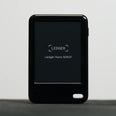
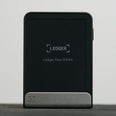
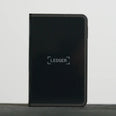
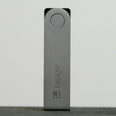
Ledger Wallets We Have Reviewed
4Every Ledger wallet we have independently tested and scored.
Average NordicCrypto score across 4 wallets: 78/100
Ready to compare?
Compare all Ledger wallets side by side →