
Keystone 3 Pro Review
Best for: Air-gapped MetaMask + Sparrow
$149
Score Breakdown
Quick Specs
Watch: Keystone 3 Pro Review
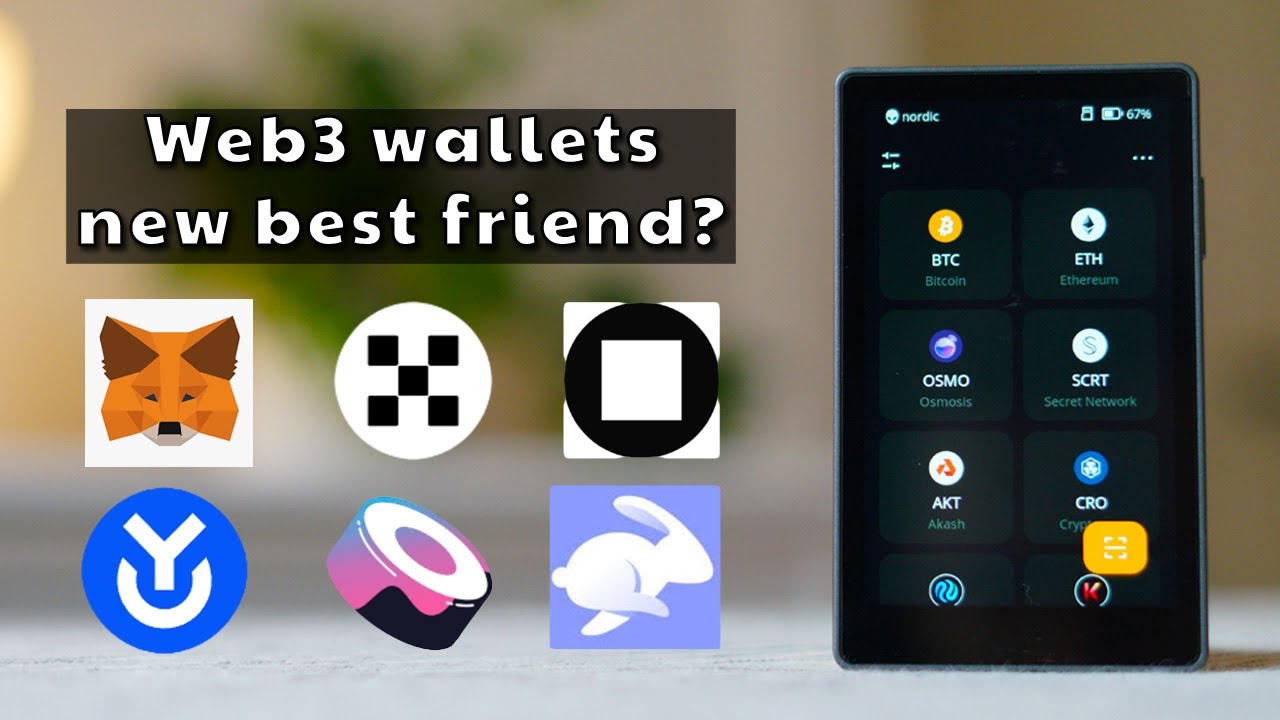
Hands-on video review of the Keystone 3 Pro
Pros & Cons
Pros
- Real air-gap: QR and microSD signing, no Bluetooth or USB data connection
- 4-inch color screen is one of the best clear-signing displays in this price range
- Three secure-element chips with seed data split across two of them, plus wipe-on-open tamper circuit
- Open-source firmware, public audits, and a documented 2026 USB SDK fix
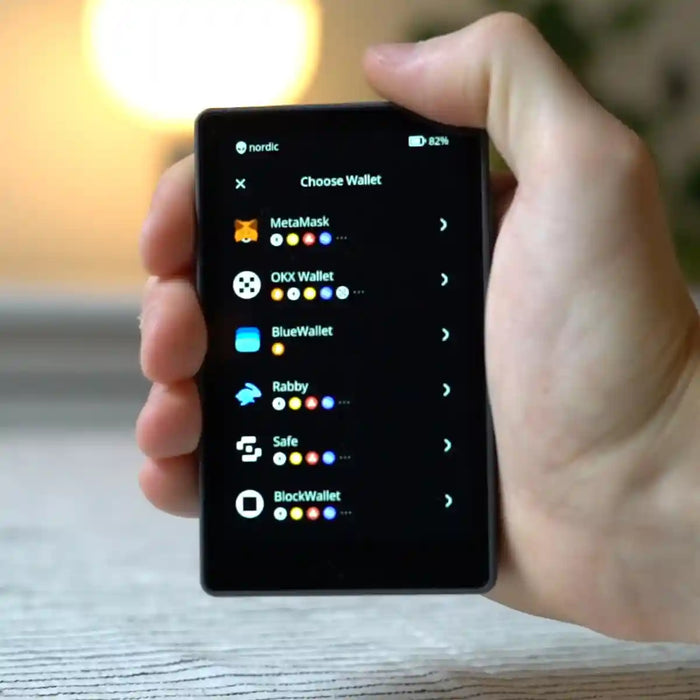
- Works with MetaMask Mobile, MetaMask browser extension, Rabby, OKX, Sparrow, BlueWallet, Keplr, Solflare, Backpack, and Jupiter
- Up to three seed phrases on one device, Shamir (SLIP-39), passphrase wallets, and dice-roll entropy
- Bitcoin-only firmware option for a smaller attack surface
- No extra Keystone fee when signing through connected software wallets
- Trustpilot around 4.6 from 700+ reviews
Cons
- QR flow needs a camera and two hands; desktop signing requires a webcam
- Reddit owners report lag, failed scans, freezes, and force restarts on complex DeFi transactions
- 1000 mAh battery is the most common hardware complaint, including units that die after sitting unused
- Large contract transactions can crash or run out of memory
- No native Phantom pairing; Solana support is through Solflare, Backpack, Jupiter, or Nexus
- No single app covers every chain well; you will likely need more than one software wallet
- Plastic body, no IP rating, and fingerprint plus touchscreen can be finicky
- Early units shipped with a disabled Bluetooth radio, which hurt the air-gap reputation
- 1-year standard warranty; international returns are at buyer expense
The Keystone 3 Pro is an air-gapped signer with a phone-sized screen. You build a transaction in MetaMask, Rabby, OKX, Sparrow, or another connected app. The app shows a QR code. The Keystone camera reads it, you check the details on the 4-inch display, you approve with PIN or fingerprint, and you scan the signed QR back. Keys never ride a cable or a radio.
The hardware
Current price is $149. The body is plastic with a 4-inch color LCD touchscreen at 480 x 800 resolution. No IP rating, no Gorilla Glass. A fingerprint sensor sits on the front face. The display is large enough to show a full contract address without scrolling, which matters when you are verifying before signing.
Connectivity for signing is QR codes and microSD only. USB-C is there for charging and firmware. No Wi-Fi, no NFC. Early units shipped with a Bluetooth radio that was disabled in firmware. Keystone says later production removed the chip. That distinction matters because some buyers care about the silicon being present even if disabled.
Security stack
Three chips with split jobs: a Microchip ATECC608B and a Maxim DS28S60 hold seed material between them. A third chip, the MAX32520, handles fingerprint data only. A PCI-style tamper circuit is designed to wipe secrets if the case is opened. Firmware and hardware schematics are on GitHub. Keylabs, SlowMist, Offside Labs, and OneKey Anzen have all reviewed different parts of it.
Setup
Scan the QR code on Keystone's verification page to confirm the unit is genuine before you do anything else. Then set a PIN, let the device generate a 24-word seed phrase, and write every word down. The on-screen flow walks you through it. Plan for around 15 minutes.
Update the firmware before you pair with any app. If your unit shipped on an older build, install v2.4.0 first, then update to current. Skipping that step breaks the update. Updates go over microSD or USB-C. Current multi-coin firmware is v3.0.4.
Pairing is next. On phone, open MetaMask, go to Connect Hardware Wallet, and scan the QR the Keystone displays. On desktop you need a webcam pointed at the screen to read the QR back, so no webcam means no browser signing. Sparrow and BlueWallet pair the same way for Bitcoin.
Backup and recovery
One device can hold up to three seed phrases. You can add a BIP39 passphrase, split a backup with Shamir (SLIP-39), or use dice-roll entropy during setup. Bitcoin-only firmware exists if you want less code running on the device. Keep the written seed somewhere safe. The device is not the backup, the words are.
Daily use
MetaMask on phone and desktop is the best pairing. Sparrow and BlueWallet are the Bitcoin pairings. Solana works through Solflare and Backpack, not through a clean Phantom integration. OKX covers EVM and BTC well, less so for Solana when the Keystone is connected. You will likely need more than one software wallet to cover every chain well.
Reddit and Trustpilot do not tell the same story. Trustpilot sits around 4.6 from 700+ reviews. Reddit is split. Owners who like it say QR signing feels cleaner than Bluetooth and the 4-inch screen makes clear signing readable. Owners who hate it report missed QR scans, UI lag, and a 10 to 45 minute fight on complex DeFi payloads. Both camps can be right. Air-gap QR is safer and slower than USB. In good light with a phone camera, simple sends are fine. Complex contract payloads and bad lighting make the device look broken.
Security record
No public mass extraction of keys from intact units. The 2023 Keylabs audit found a high-severity tamper-response gap. A 2024 Offside Labs disclosure was fixed in v1.2.8. The 2026 OneKey Anzen USB SDK bug was fixed in v2.4.0 and publicly disclosed after users had time to update. Keystone published all three reports rather than staying silent. A pattern of disclosed-and-fixed issues is not the same as a clean record, but it is better than silence.
Verdict
Buy the Keystone 3 Pro for air-gapped MetaMask, Rabby, OKX, or Sparrow use at home, with the seed stored somewhere that does not depend on the battery. That is the product Reddit's long-term fans are actually describing. Skip it if you live in Phantom, sign large contract payloads every day, or want a device that can sit dead in a safe for two years and wake up on command.
Three things worth knowing before you pay: desktop signing requires a webcam pointed at your screen; the battery does not like fast chargers, use 5V/1A; and run a real transaction before you move a large stack.
Ready to buy the Keystone 3 Pro?
Starting at $149. Check current price before you buy.
Buy Keystone 3 Pro →Affiliate link · No extra cost to you
This page contains affiliate links. If you buy through them, I may earn a small commission at no extra cost to you. I only review products I have personally tested.